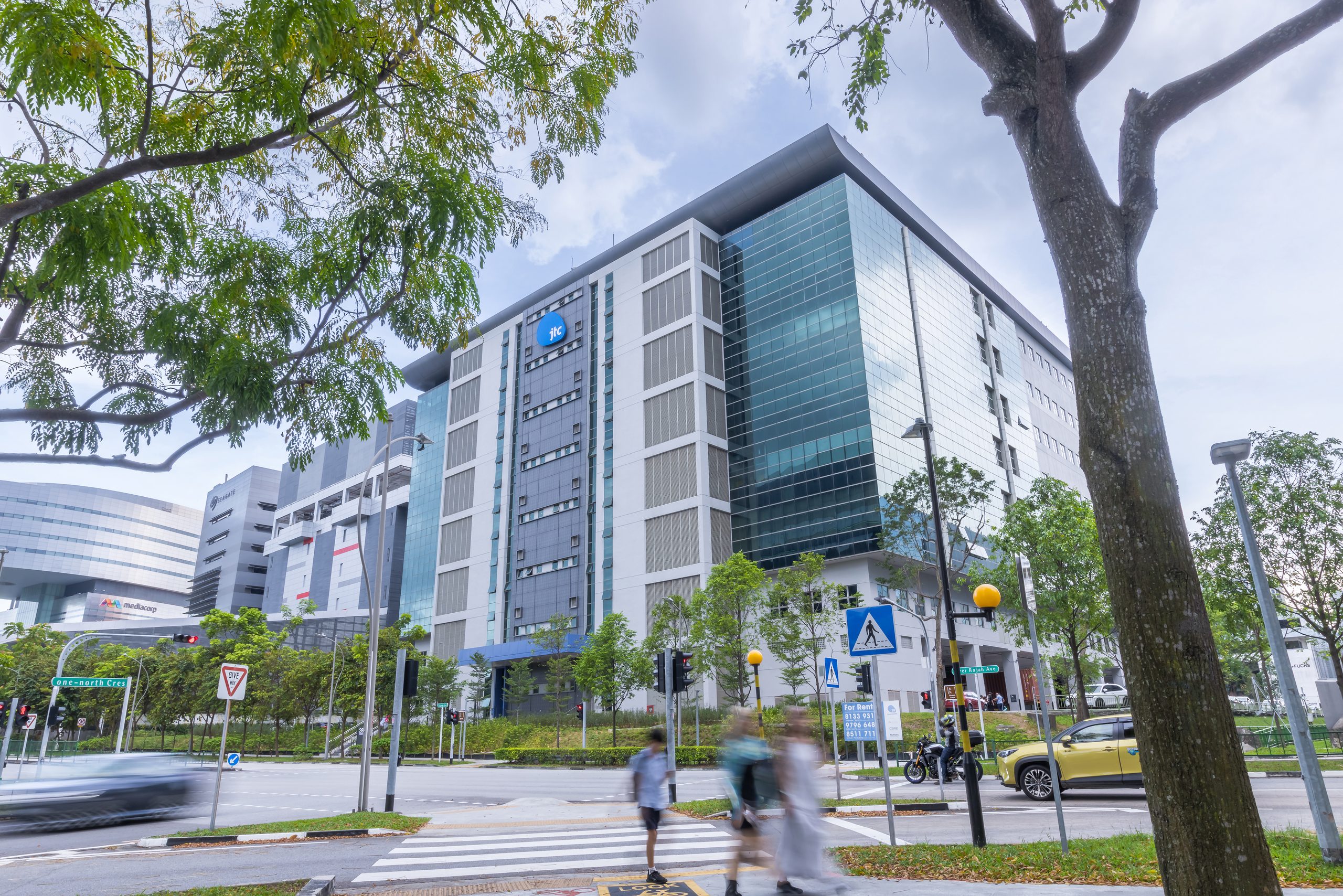
RSP has successfully completed the Additions & Alterations (A&A) works for 28 Ayer Rajah Crescent (28 ARC), an eight-storey flatted factory development located within Singapore’s one-north innovation district.
Originally completed in 1995, the industrial building underwent a comprehensive upgrading programme aimed at refreshing the development, improving tenant experience and bringing the asset in line with industry operational and market expectations for high-quality industrial spaces within the precinct.
The design approach was guided by the client’s vision for Category A industrial developments and the evolving character of one-north, with a focus on creating a contemporary, functional and welcoming environment for building users. The refreshed design adopts a modern and natural material palette with subtle blue accents in accordance with the client’s branding guidelines for premium industrial developments.
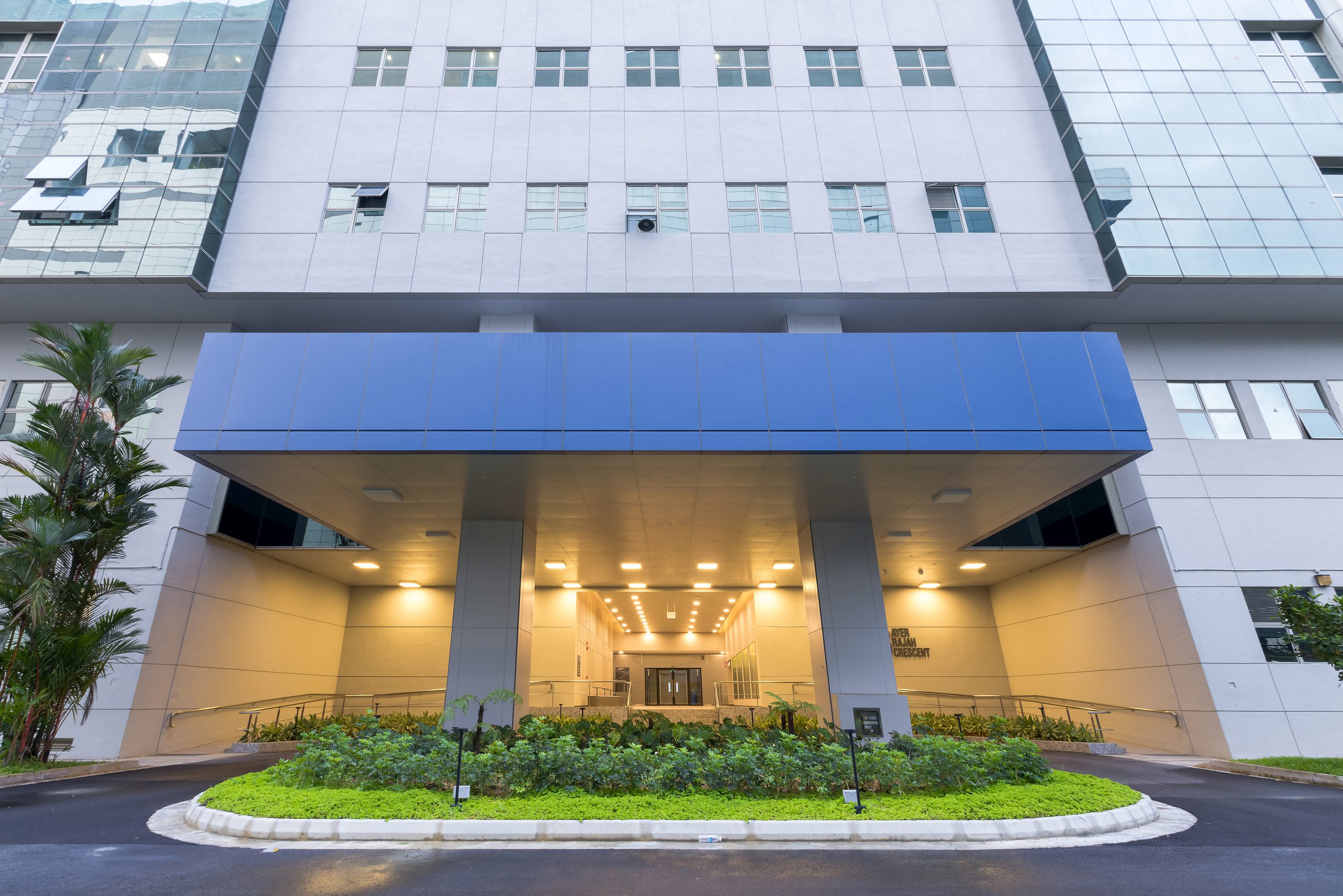
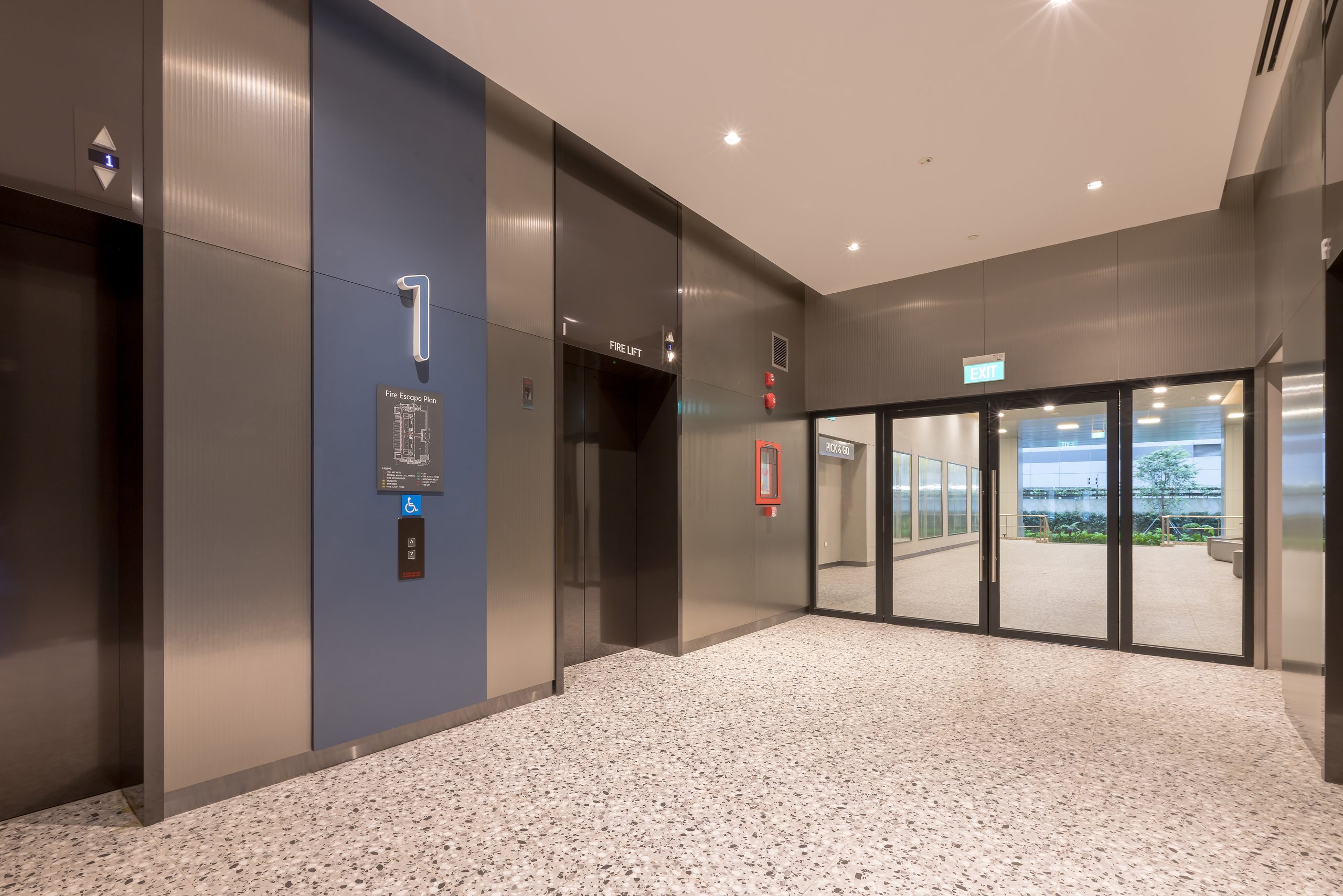
One of the most visible transformations can be found at the main entrance lobby, where RSP’s interior design team introduced a natural pallete complemented by biophilic elements and greenery to create a warmer and more inviting arrival experience for tenants and visitors.
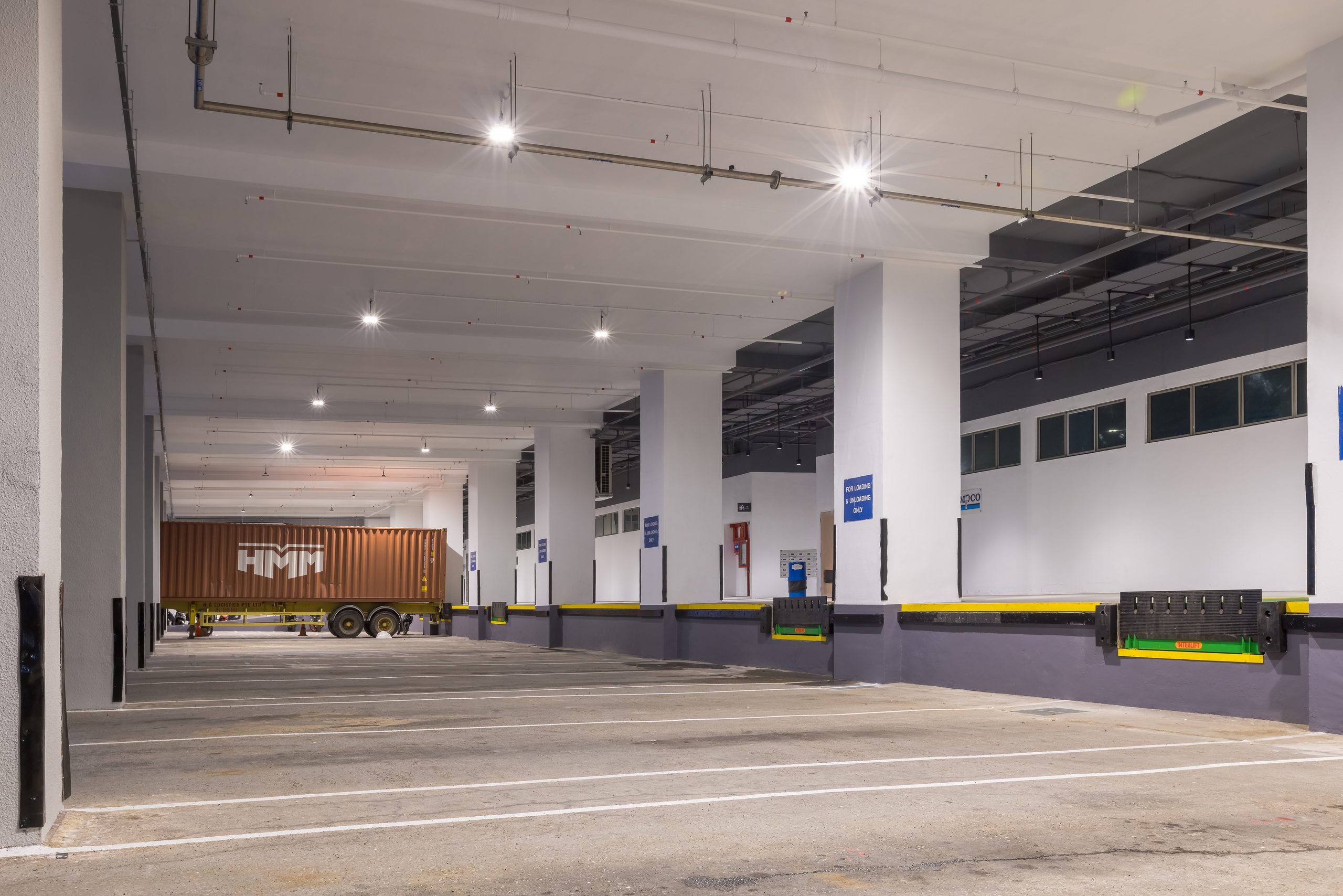
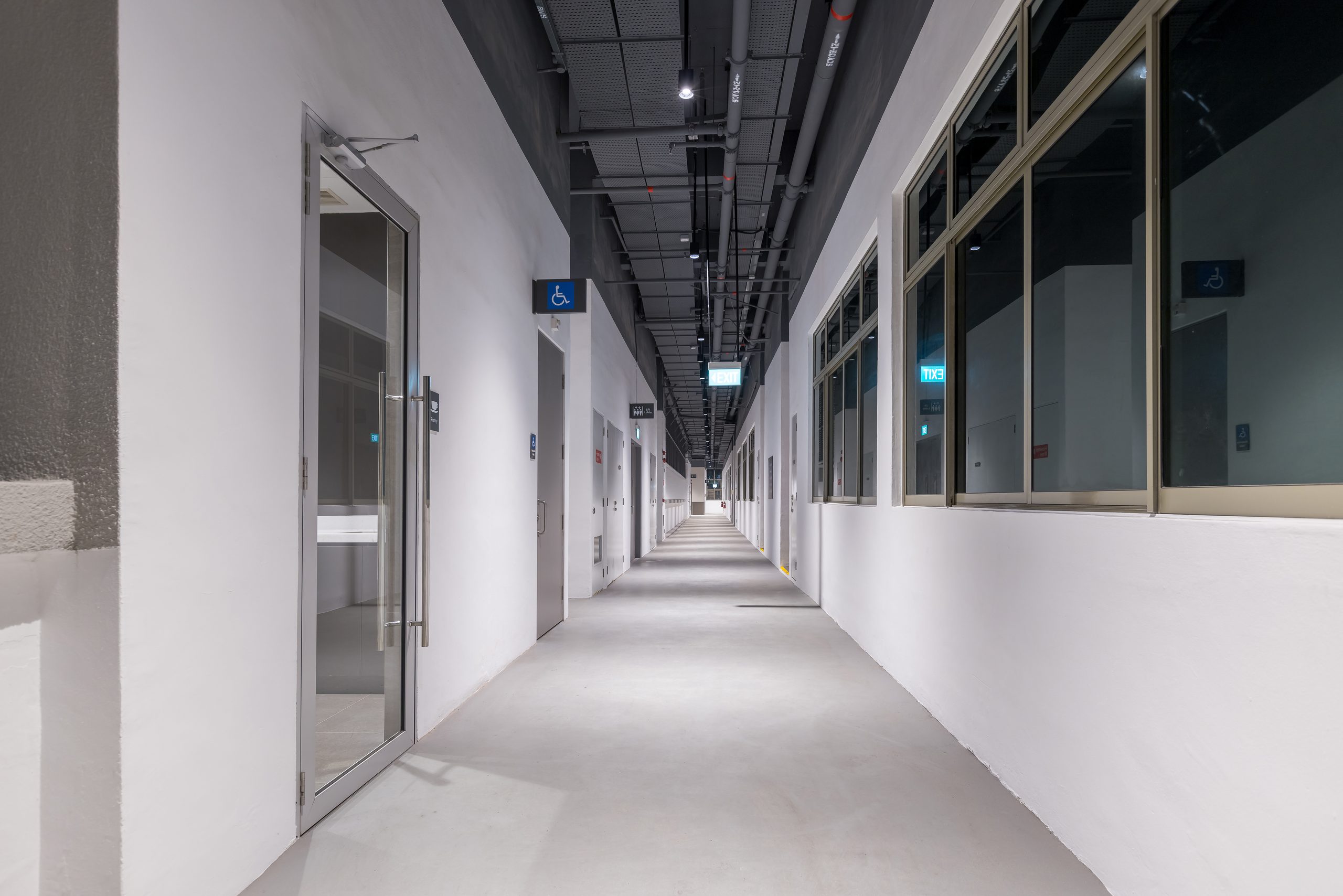
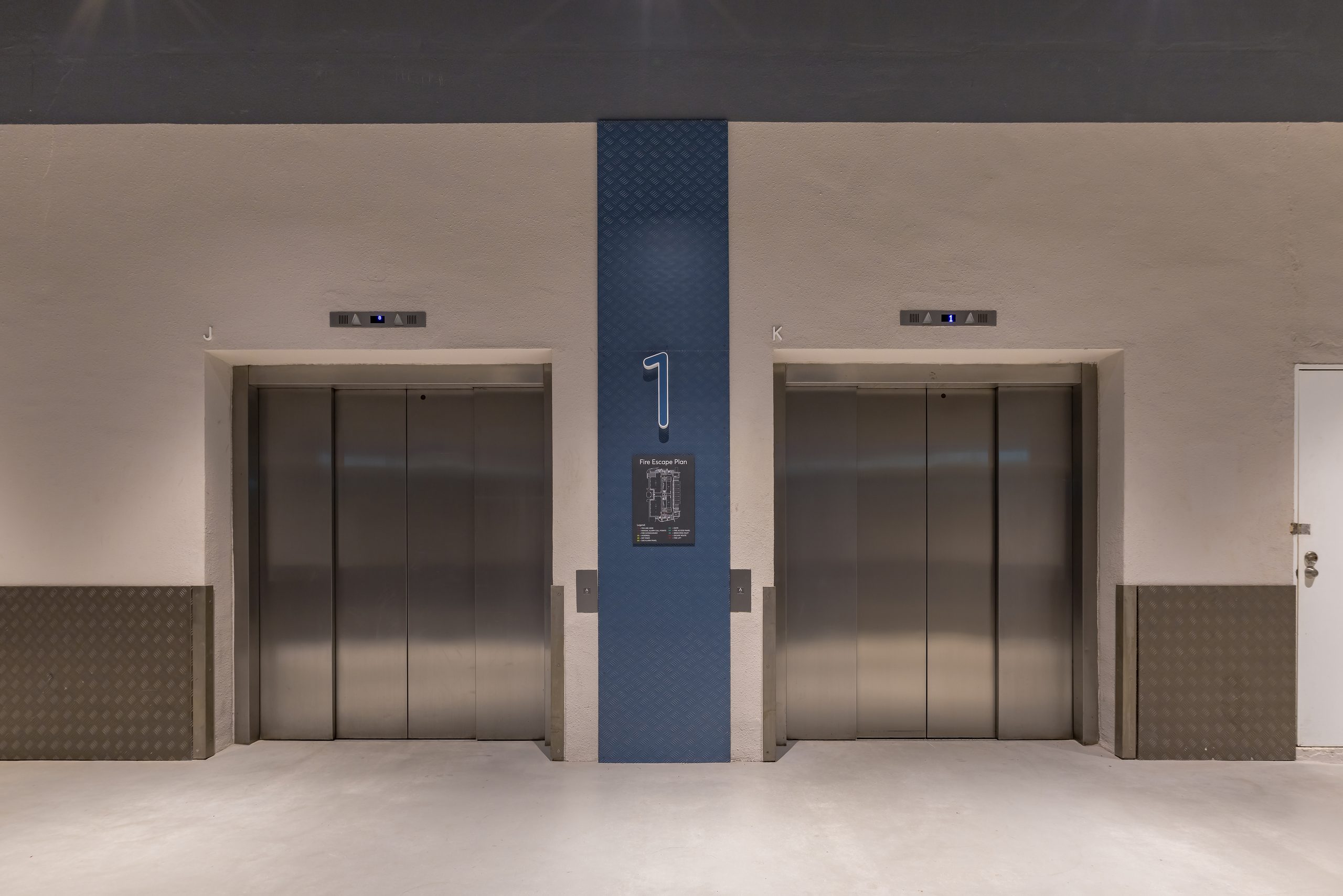
The scope of works also included the refurbishment of common areas and amenities, lift modernisation works, replacement of ageing mechanical and electrical systems, upgrades to main switchboards and electrical busducts, façade enhancements featuring perforated aluminium panels, and the addition of covered linkways and external improvements to enhance connectivity and user comfort throughout the development.
A notable feature of the project was the implementation of bendable concrete technology for part of the internal driveway infrastructure. The innovative material offers improved ductility, durability and long-term sustainability benefits compared to conventional concrete solutions.
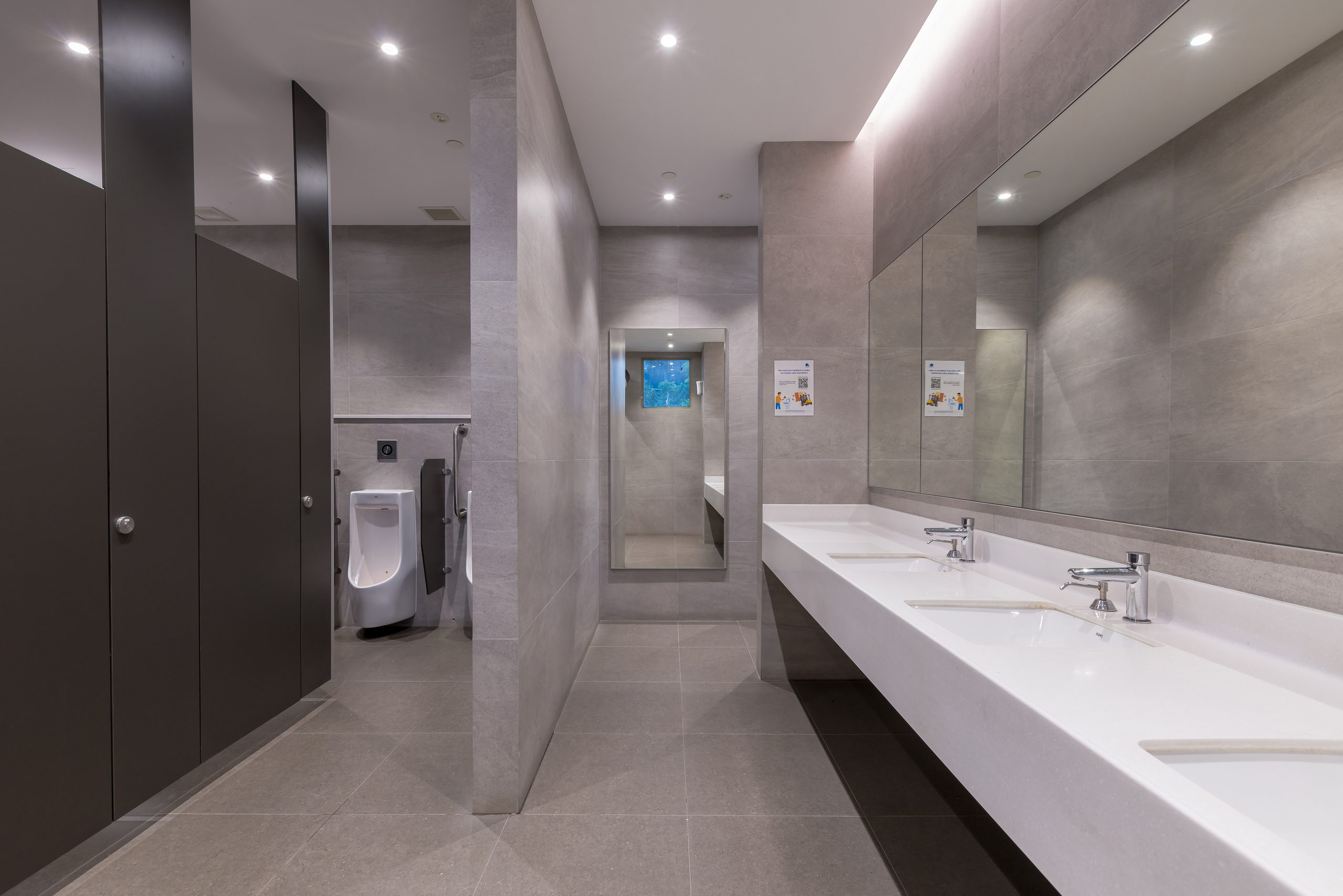
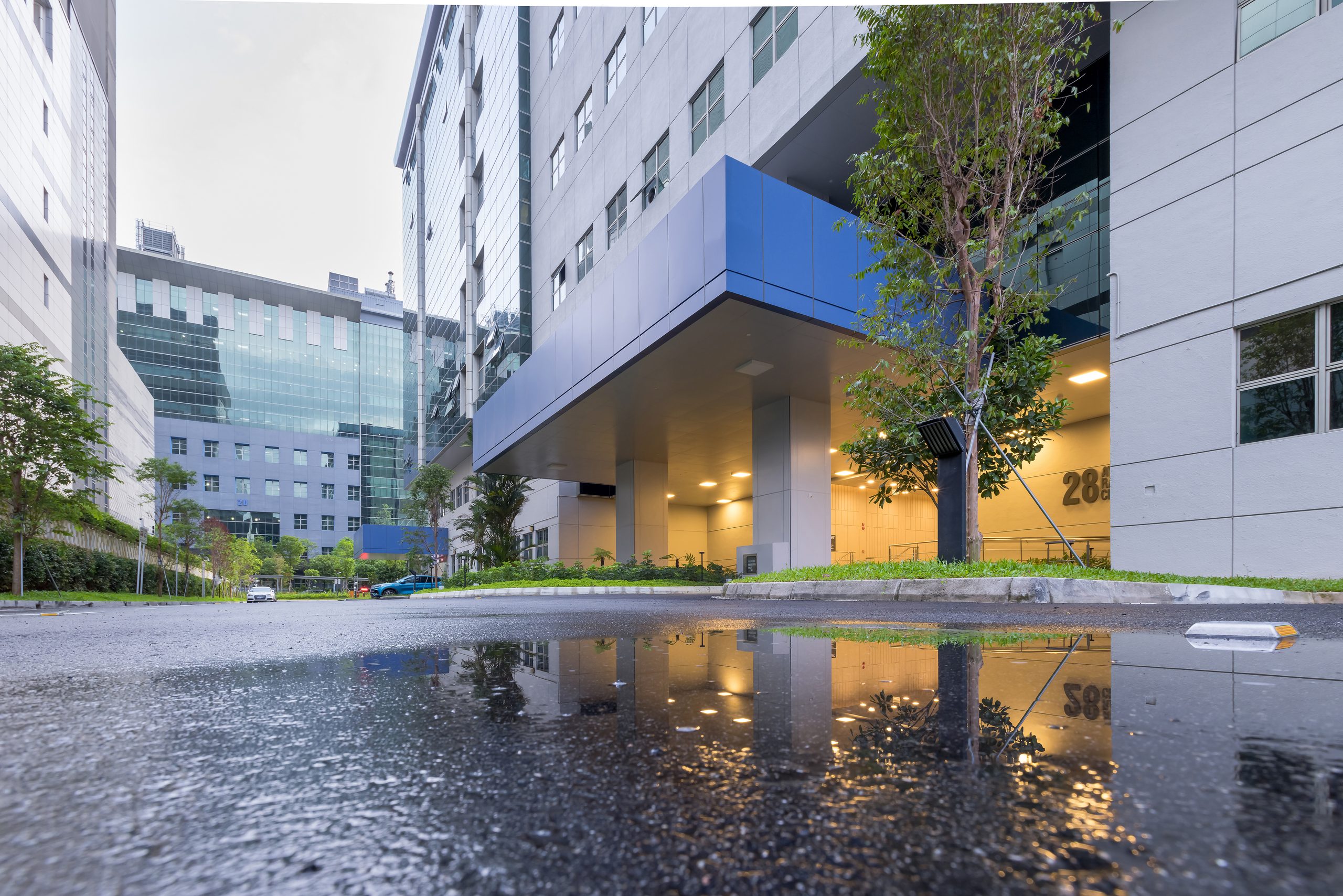
Delivering the project within a live operational environment required extensive planning and close coordination among stakeholders to minimise disruption to tenants and maintain uninterrupted building operations. The works were carefully phased to ensure continued access to essential facilities, while the replacement of critical electrical infrastructure was sequenced to avoid interruptions to tenants’ power supply and business activities.
Despite these complexities, the project achieved completion nine days ahead of the contractual completion date.
As industrial developments continue to evolve to meet changing business needs and sustainability expectations, thoughtful refurbishments will play an increasingly important role in extending building lifespan, improving user experience and enhancing long-term asset value.