
Meet RSP’s young guns
“Each new situation requires a new architecture.”
– Jean Nouvel
Recognising that new talents inject new energy into the field, RSP is committed to cultivating a new generation of architects, engineers, makers and thinkers. Young people bring fresh perspectives to address contemporary challenges such as climate change and urbanisation. They also contribute a unique understanding of the needs of younger generations, fostering innovation in how we design and use spaces.
To attract top talent and retain it, RSP cultivates inclusive mentorship programs, invests in continuous learning and provides a variety of leadership pathways. We pride ourselves that our workplace has a good balance of age groups. At levels below executive management, 19 per cent of our staff are below 30 years old, and 47 per cent are between the ages 30 and 50.
In this series, we profile four architects below 40 in our offices, to see the new voices driving change and innovation in our organisation.
Fadzli Jani, 32
How and when did you decide that you wanted to be an architect?
I found my way to architecture through a process of elimination. I was a triple science student in secondary school, but I soon realised I was not really a science kind of person as I had difficulty memorising scientific jargon. Around that time, I started watching an American reality TV show called Extreme Makeover: Home Edition, which left a lasting impression on me. I was fascinated by how the architects and designers transformed homes and changed people’s lives through design. I remember watching one episode and thinking to myself, “I want to be that guy!” That was the moment I knew architecture was something I wanted to do.
What is your design philosophy?
My design philosophy is about creating spaces that feel meaningful and alive. I believe good design should serve people, not just impress them. It should tell a story about who they are and how they live. I like to think of architecture as a balance between purpose and emotion, where function meets a sense of belonging.
What excites or satisfies you most about your work?
The people, definitely. Every project brings together so many different minds, and there is always something new to learn from each one. No two days ever feel the same. I also secretly enjoy the little moments of anticipation, like waiting for the authorities’ approval or reply. You will never know what you get until you open that email.
How RSP supported you with opportunities for professional growth or development?
RSP has played a big part in my professional growth. I have been fortunate to work on large and complex projects that really pushed me to think more deeply and manage challenges with confidence. Along the way, I have had seniors and directors who guided me not just in design, but also in understanding the bigger picture of how a project comes together. There have also been plenty of learning opportunities, from casual discussions to arranged learning platforms like Educational Task Force and recently, the self-learning Corenet X course. These helped me grow as a project architect and deepened my understanding of industry standards.
What is your dream project?
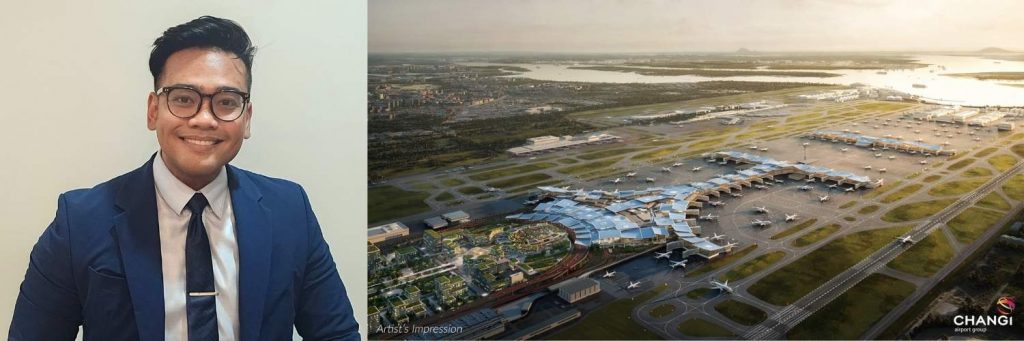
Something that contributes to nation-building. I have always wanted to be part of something bigger than myself and that leaves a mark on the country. Being involved in Terminal 5 is exactly that, and honestly, it still feels surreal. It is the kind of project I used to only dream about, and now I get to be part of it.
Ethan Chung Er Pei, 34
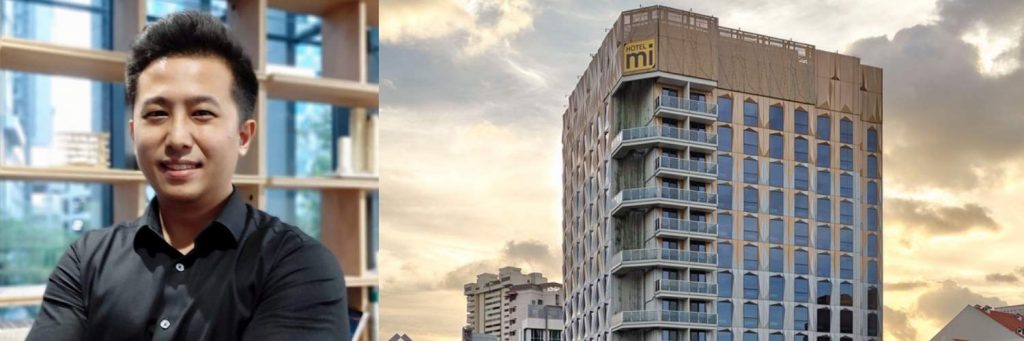
How and when did you decide that you wanted to be an architect?
I first wanted to be an architect when I was an Art Elective student during my secondary school years. I enjoyed both the sciences and art, and architecture felt like the perfect bridge between the two. After travelling and visiting buildings designed by famous architects, seeing how architecture can impact people’s lives made me decide to pursue architecture as a career.
What is your design philosophy?
To create spaces that are intentional, human-centred and respectful of their context, both physical and historical. I believe architecture should centre people at the heart of the process to create positive value to communities while being sensitive to local environments and cultural settings.
What excites or satisfies you most about your work?
The dynamic and fast-paced nature of the architectural process. Every project presents new challenges, from design and project coordination to problem-solving both in the design and at site. Each stage in the project requires me to adapt, collaborate with teammates and apply critical thinking. The ability to see ideas evolve into built forms, and knowing I can contribute to help shape real, liveable spaces for people gives me a strong sense of satisfaction.
How RSP supported you with opportunities for professional growth or development?
As the first architectural firm I joined after graduation, RSP has provided me exposure to a wide range of projects, which allowed me to develop an array of skills to take on greater responsibilities. I had the benefit of working alongside experienced mentors who are both nurturing and knowledgeable. RSP’s training programmes also allowed me to deepen my understanding of project management, regulatory requirements and contract administration which are essential for smooth project delivery.
What is your dream project?
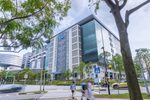
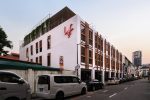
To design or restore a conserved building that blends heritage with modern functionality, such as transforming a historical civic or institutional building to include vibrant public spaces. I am deeply inspired by projects that can reflect or even enhance its historical character while adapting for contemporary use. Having worked on Alexandra Hospital, which is a conserved hospital, has shown me how meaningful it is to give new life to old buildings. I would love to be part of a project where architecture becomes a bridge between the past and the future, allowing heritage to remain relevant in our urban landscape.
Fei Bo, 35
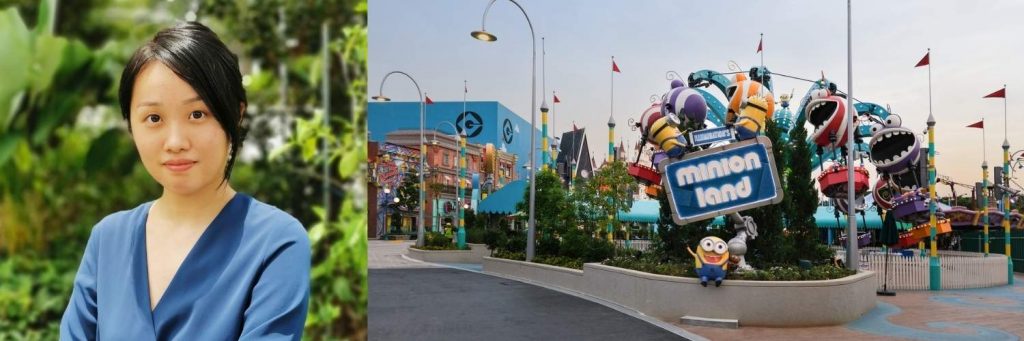
How and when did you decide that you wanted to be an architect?
I’ve always been drawn to both art and engineering, and I see architecture as the perfect blend of the two. I realised architecture could tell a story, embody the spirit of a place, reflect culture and shape how people experience their environment. That was when I knew I wanted to become an architect.
What is your design philosophy?
I believe architecture should respond to its cultural, historical and physical surroundings. Besides, sustainability is an essential part of thoughtful design, taking into account energy efficiency, material selection and long-term environmental responsibility.
How RSP supported you with opportunities for professional growth or development?
I was given the opportunity to work on a theme park project, which is a rare and exciting experience. It challenged me to balance creativity, technical issues, code compliance and user experience. Besides, the internal sharing sessions of the Educational Task Force, covering a range of topics from project sharing, professional knowledge to industry product insights, further supported my professional growth.
What is your dream project?
A museum.
Yu Xiang Gao, 40
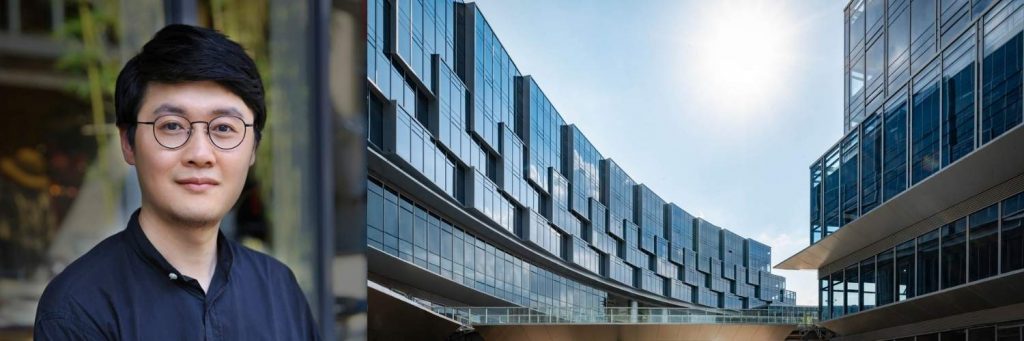
How and when did you decide that you wanted to be an architect?
My path to becoming an architect was one of discovery rather than a predetermined destiny. While my studies at school provided me with a critical foundation in design theory and technical skill, it was only after I graduated and began working in the field that my true passion for architecture crystallised.
Being immersed in the practical reality of projects—seeing firsthand how design decisions impact construction, functionality and the people who use the space—was what truly ignited my ambition. It was through this professional immersion that I moved from being a student of architecture to genuinely wanting to dedicate my career to becoming a thoughtful and responsible architect.
What is your design philosophy?
I am deeply passionate about creating unique architecture that is appropriate and responsive to its specific location and cultural context. To me, architecture is a conversation, not a monologue. It’s a dialogue between the built form and its natural environment, between history and modernity, and most importantly, between the structure and the people who inhabit it.
This philosophy is powerfully enabled by a dedication to a data-oriented design process. I believe that by drawing support from advanced digital tools—from environmental simulations to parametric modelling—we can deeply analyze a site’s conditions, sunlight, wind patterns and cultural data. This allows us to move beyond intuition and make informed decisions that truly enhance performance, sustainability and user experience.
What excites or satisfies you most about your work?
The greatest satisfaction comes from seeing a project transition from a concept on paper to a living, breathing part of the cityscape. There’s a profound excitement in solving complex puzzles—balancing client vision, user needs, engineering constraints and aesthetic ambition into a cohesive whole. But what truly fulfills me is visiting a completed project years later and seeing it being loved and used in ways we had hoped, and even in ways we hadn’t anticipated. Seeing people live, work and connect in a space we created is the ultimate validation of our work.
How RSP supported you with opportunities for professional growth or development?
I was involved in international projects that required the cooperation of various parties, and RSP provided training for drawing.
What is your dream project?
Working on urban renewal projects or small-scale buildings like a villa or homestay.